

Honest PESTLE Analysis

Fully Editable
Tailor To Your Needs In Excel Or Sheets
Professional Design
Trusted, Industry-Standard Templates
Pre-Built
For Quick And Efficient Use
No Expertise Is Needed
Easy To Follow
Honest Bundle
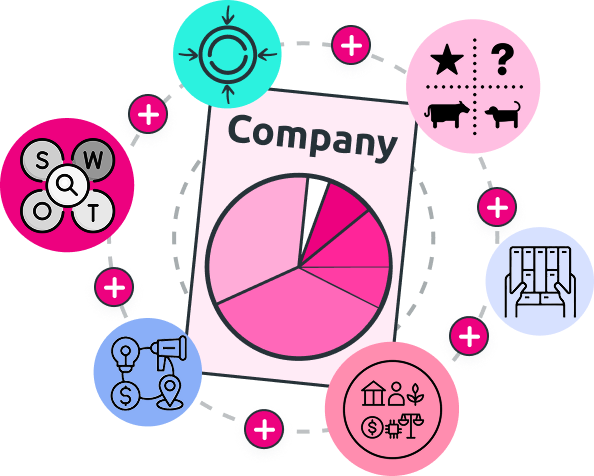

Plan Smarter. Present Sharper. Compete Stronger.
Unlock a strategic edge with our in-depth PESTLE analysis of Honest. Discover how political, economic, social, technological, legal, and environmental forces shape its prospects and risks. Purchase the full report for a complete, actionable breakdown ready for immediate use.
Political factors

Regulatory stability and consumer product oversight
National policy shifts on consumer goods and public health can shift testing, labeling and compliance burdens, affecting Honest’s product timelines; the global baby care market was about USD 86 billion in 2024. Regulators in the US and EU have tightened scrutiny of non-toxic claims while California’s Prop 65 listed over 900 chemicals in 2024. Stable regimes enable predictable planning; volatile cycles raise costs, so monitoring rulemaking calendars supports proactive reformulation and documentation.
Trade tariffs and sourcing geopolitics
Tariffs on chemicals, plant-based inputs and packaging can raise COGS materially, with tariffs commonly adding mid-single to low-double digit percent to import prices; supply shocks amplify this effect. Geopolitical tensions have driven container rates from 2021 peaks above 10,000 USD/FEU to averages near 2,000–3,000 USD/FEU in 2023–24 (Drewry), raising freight volatility and disruption risk. Diversifying suppliers across regions and building strategic inventory or nearshoring reduces exposure to trade shocks and shortens lead times by substantial margins.

Government sustainability agendas
Government sustainability agendas shift demand: green public procurement accounts for roughly 14% of EU GDP and, together with Horizon Europe eco‑innovation funds of 95.5 billion EUR (2021–27), favors low‑toxicity sustainable products. Tax credits and incentives—US Inflation Reduction Act’s ~369 billion climate package and EU clean manufacturing supports—can boost margins for recycled‑content producers. Firms engaging in policy dialogues shape practical standards; non‑participation risks being bound by one‑size‑fits‑all rules that raise compliance costs.

Public health initiatives and standards setting
Public health campaigns on infant safety, allergens, and endocrine disruptors are reshaping category rules; CDC data shows 7.6% of US children have food allergies (2023), driving reformulation and labeling. Alignment with pediatric and public-health guidance builds retailer and caregiver trust. Early voluntary adoption of stricter safety thresholds can preempt regulatory mandates. Misalignment risks product delistings or negative advisories.
- Regulatory pressure: higher compliance costs
- Market trust: aligns with pediatric guidance
- Risk mitigation: preempts mandates, avoids delisting
Retail politics and local content preferences
Retail politics increasingly favor domestic manufacturing and eco-labels, with several markets expanding incentives in 2024 to boost local supply chains.
Major retailers now often demand compliance with private eco-standards for shelf space; meeting local-content or eco-score thresholds materially supports national rollouts and joint promotions.
Gaps in certification or local content can limit listings, co-marketing and access to incentive pools, slowing expansion into priority markets.
- 2024 incentives expanded in multiple markets
- Retailers enforcing private eco-standards
- Meeting thresholds enables listings/promotions
- Certification gaps restrict market access
Political shifts heighten compliance and tariff risks; baby-care market USD 86B
Political shifts raise compliance and tariff risks for Honest; global baby-care market was USD 86B in 2024 and Prop 65 listed 900+ chemicals (2024), while container rates averaged USD 2,000–3,000/FEU (2023–24). EU green procurement ≈14% GDP and Horizon Europe funds 95.5B EUR (2021–27); IRA climate package ~USD 369B boosts green incentives, favoring low‑toxicity local suppliers.
| Factor | Metric/2024 |
|---|---|
| Baby care market | USD 86B |
| Prop 65 chemicals | 900+ |
| Container rates | USD 2–3k/FEU |
| EU green procurement | ≈14% GDP |
What is included in the product
 Detailed Word Document
Explores how external macro-environmental factors uniquely affect the Honest across six dimensions—Political, Economic, Social, Technological, Environmental, and Legal—with each section supported by current data and trend-driven insights. Designed for executives, consultants, and entrepreneurs, the analysis highlights threats, opportunities, and forward-looking scenarios ready for business plans, pitch decks, or strategic reports.

 Customizable Excel Spreadsheet
A concise, clearly segmented PESTLE summary that highlights critical external risks and opportunities for quick inclusion in presentations or planning sessions, editable for local context and easily shareable across teams.
Economic factors

Consumer spending and trading-down risk
Macroeconomic slowdowns (IMF global growth ~3.0% in 2024) push households toward lower-priced substitutes, raising trading-down risk for premium clean-label brands. Premiums must defend value with efficacy and safety proof—clear clinical or ingredient validation reduces defections. Bundles, subscriptions and loyalty perks (can cut churn by up to ~30%) stabilize revenue. Elasticity analysis guides optimal price-pack architecture to retain share.
Input inflation and cost pass-through
Volatile prices for plant-derived surfactants, vegetable oils and recycled packaging — which swung about 20–35% between 2021 and 2024 — continue to squeeze margins in personal-care and FMCG segments. Passing costs risks demand erosion in price-sensitive mass-market cohorts, where a 5–10% price rise can materially cut volumes. Hedging, fixed-price supplier contracts and formula optimization stabilize COGS. SKU rationalization focuses on top-contribution items to protect gross margin.

FX exposure in global sourcing and sales
Currency swings shift imported ingredient costs and international revenues—global FX turnover averaged $7.5 trillion/day in 2022 (BIS), amplifying cost volatility. Natural hedges (matching sourcing and sales currency) materially cut transaction risk. Pricing corridors with quarterly adjustments protect margin. Treasury policies typically target 60–80% hedge coverage and tenors of 1–18 months, guiding execution.

Channel mix economics
E-commerce yields richer first-party data and personalization—global e-commerce sales reached about 6.8 trillion USD in 2024 (Statista)—but requires higher marketing and fulfillment spend: online acquisition costs rose roughly 15% YoY in 2023–24 and last-mile adds about 6–12 USD per order. Retail partnerships drive volume but impose slotting fees (US averages often cited 25k–75k USD per SKU) and promotional pushes that compress margins; DTC vs retail mix optimization can lift contribution margin materially (DTC gross margins typically 40–60% vs wholesale/retail 20–35%).
- data: 2024 e-commerce ~6.8T USD
- acquisition: +~15% YoY (2023–24)
- last-mile: ~6–12 USD/order
- slotting: ~25k–75k USD/SKU (US)
- margins: DTC 40–60% vs retail 20–35%
Scale effects and operating leverage
Volume growth that lifts plant utilization from ~60% to ~85% can cut unit overhead by roughly 25-35%, improving operating leverage; co-manufacturing agreements commonly convert 20-40% of fixed costs into variable costs, giving pricing flexibility; automation initiatives have reduced direct labor intensity by about 15-25% over 3–5 years in manufacturing case studies; careful capex phasing limits idle capacity, often avoiding >20% underutilization.
- Utilization gain: -25–35% unit overhead
- Co-manufacturing: 20–40% fixed→variable
- Automation: -15–25% labor intensity (3–5 yrs)
- Phased capex: avoids >20% idle capacity
Political shifts heighten compliance and tariff risks; baby-care market USD 86B
Global growth ~3.0% (IMF 2024) pressures premium brands; efficacy proof and loyalty bundles (can cut churn ~30%) defend share. Commodity swings 20–35% (2021–24) squeeze margins; hedging and SKU rationalization protect gross margin. E-commerce ~6.8T USD (2024) increases CAC ~+15% YoY and last-mile ~6–12 USD/order; DTC margins 40–60% vs retail 20–35%.
| Metric | Value |
|---|---|
| Global growth (2024) | ~3.0% |
| E‑commerce (2024) | ~6.8T USD |
| Commodity swing (2021–24) | 20–35% |
| Churn reduction | ~30% |
Preview the Actual Deliverable
Honest PESTLE Analysis
The preview shown here is the exact Honest PESTLE Analysis you’ll receive after purchase—fully formatted, professionally structured, and ready to use. This is the real file, not a teaser or placeholder. After checkout you’ll instantly download the same document displayed here.

Sociological factors

Clean-label and safety-conscious parenting
Clean-label parenting drives demand for hypoallergenic, fragrance-free, non-toxic baby care; Mintel 2024 found 64% of US parents prioritize ingredient transparency. Clear labels and third-party seals (e.g., EWG, COSMOS) build credibility, while educational content cuts fear-driven churn; unaddressed negative stories can erase trust within days.
Demographic shifts and birth rates
Falling birth rates—global TFR 2.3 (UN WPP 2022), Japan 1.3 and South Korea 0.78 (2023), US 1.66 (2022)—compress baby-category growth in key markets. Expanding into adult personal care and household segments diversifies demand and reduces reliance on neonatal volumes. Targeting higher-income urban parents (roughly 57% urban globally in 2023) supports premium positioning and higher ASPs. Stronger growth in regions like sub‑Saharan Africa (TFR ~4.6) can offset domestic softness.

Social media influence and brand authenticity
Reviews and influencer content heavily sway purchase decisions in an era of 5.16 billion social users (DataReportal 2024) and with 87% of consumers consulting online reviews for local businesses (BrightLocal 2023). Authentic storytelling on sustainability and safety builds loyalty and can boost repeat purchase rates. Swift, empathetic responses to concerns limit reputational damage, while consistent claims across channels reduce customer confusion.

Inclusivity and sensitive-skin needs
Consumers now expect products for diverse skin types and cultural preferences; atopic dermatitis affects an estimated 15–20% of children and 2–10% of adults worldwide (WHO/2024), driving demand for inclusive ranges. Dermatologist-tested, eczema-friendly formulations broaden appeal and lift trust and purchase intent. Accessible pricing and sizing support equity while missteps invite social-media backlash and lost shelf presence.
- Inclusivity demand — atopic dermatitis 15–20% children, 2–10% adults (WHO/2024)
- Clinical claims — raise trust and purchase intent
- Pricing/sizing equity — prevents exclusion and shelf delisting
Lifestyle convenience and subscription habits
Busy households favor auto-replenishment and bundle savings, and with global e-commerce penetration near 24% in 2024 this convenience drives steady subscription growth; frictionless UX and flexible pause options materially lower cancellation rates while cross-selling adjacent essentials lifts basket size, but poor delivery reliability sharply increases churn.
- Auto-replenishment: convenience-first
- Flexible pauses: lower cancellations
- Cross-sell: higher AOV
- Delivery failures: higher churn
Political shifts heighten compliance and tariff risks; baby-care market USD 86B
Clean-label parenting and ingredient transparency drive purchase (64% of US parents prioritize transparency, Mintel 2024), while falling birth rates (global TFR 2.3) shift brands toward adult care and premium urban segments. Social proof matters (5.16B social users, DataReportal 2024) and subscription convenience (24% e‑commerce penetration, 2024) reduces churn.
| Metric | Value | Source |
|---|---|---|
| Parents prioritizing transparency | 64% | Mintel 2024 |
| Global social users | 5.16B | DataReportal 2024 |
| E‑commerce penetration | 24% | 2024 |
| Global TFR | 2.3 | UN WPP 2022 |
Technological factors

Green chemistry and formulation innovation
R&D in green chemistry drives efficacy using safer surfactants, preservatives and botanicals, with continuous stability testing to avoid harsh actives; industry momentum is strong, with the global green chemistry market around $60B in 2024 and a ~9.8% CAGR forecast to 2030. Strategic lab partnerships speed claim substantiation, while patents on unique blends and formulations create IP defensibility and higher barriers to entry.
Supply chain traceability and ingredient transparency
Digital traceability verifies sourcing ethics and purity by linking lot-level data to certifications, with GS1 standards used by over 2 million companies globally to enable consistent provenance. QR codes paired with smartphone access and lot data have become standard consumer touchpoints, supported by blockchain or secure databases like IBM Food Trust (400+ members) to cut documentation friction. Faster, digital recalls reduce exposure by enabling near-real-time batch targeting.

E-commerce stack and personalization
Robust CRM, CDP and analytics enable targeted offers and education that McKinsey found can lift conversions 10–15% and marketing ROI substantially; recommendation engines drive ~35% of Amazon’s revenues and raise AOV across retailers. A/B-tested UX changes have cut cart abandonment in many case studies by 10–25% versus the ~69% global average (Baymard). Privacy-by-design aligned with GDPR builds compliance and customer trust.

Manufacturing automation and quality control
Sensor-enabled lines improve consistency and have cut material waste by up to 30% in recent food and beverage deployments (2023–2024), while in-line QA testing shortens cycle times and has reduced defect rates by as much as 40% in pilot programs. Predictive maintenance programs reduced unplanned downtime up to 50% and maintenance costs 10–40%. Flexible filling and packaging systems support rapid SKU changeovers under 15 minutes in modern plants.
- Sensor lines: consistency ↑, waste ↓ up to 30%
- In-line QA: defects ↓ up to 40%, cycle times ↓
- Predictive maintenance: downtime ↓ up to 50%, costs ↓ 10–40%
- Flexible packaging: SKU changeovers < 15 min
Packaging innovation and materials science
Recycled and bio-based materials have scaled rapidly—global bioplastics capacity reached about 2.6 million tonnes in 2024—lowering lifecycle footprints while maintaining barrier and strength performance for many FMCG formats. Design for recyclability is now a baseline for major retailers and regulators, with mandatory recyclability targets rising across EU and US frameworks. Lightweighting can cut freight emissions and costs by roughly 10–15%, while tamper-evidence and child-safety features continue to be non-negotiable and often regulator-mandated.
- 2.6 Mt bioplastics capacity (2024)
- 10–15% freight emissions/cost reduction via lightweighting
- Design-for-recyclability mandated by rising regulatory targets
- Tamper-evidence and child-safety remain compulsory
Political shifts heighten compliance and tariff risks; baby-care market USD 86B
R&D in green chemistry ($60B market 2024; ~9.8% CAGR to 2030) and IPed formulations raise barriers; digital traceability (GS1 2M users; IBM Food Trust 400+ members) secures provenance; AI-driven CRM/rec engines boost conversions (~10–15%) and drive ~35% of Amazon revenue; sensorized lines, predictive maintenance and bioplastics (2.6 Mt 2024) cut waste and downtime.
| Metric | Value | Year/Source |
|---|---|---|
| Green chemistry | $60B, 9.8% CAGR | 2024–2030 |
| Bioplastics capacity | 2.6 Mt | 2024 |
| GS1 users | 2M+ | 2024 |
| IBM Food Trust | 400+ members | 2024 |
Legal factors

Product safety and liability exposure
Baby and personal care items face strict safety expectations; the global baby care market was about $70 billion in 2024, raising both consumer scrutiny and liability exposure. Robust pre-market testing and post-market surveillance—now required by regulators like the EU GPSD and US CPSA—are essential to detect defects early. Clear usage instructions and age guidance reduce misuse and litigation; recall programs and product liability insurance (typically covering millions per claim) mitigate residual risk.
Chemical restrictions and compliance regimes
Regulations like California Prop 65, which lists over 900 chemicals and carries penalties up to $2,500 per day, and EU REACH, which restricts and monitors a candidate list of over 200 SVHCs, force proactive compliance. Continuous surveillance of restricted lists and regulatory alerts prevents costly recalls and litigation. Reformulation roadmaps are budgeted into R&D cycles to anticipate bans, while supplier attestations and third-party audits close upstream gaps.

Advertising claims and substantiation
Claims like non-toxic, hypoallergenic, and eco-friendly require substantiation; the FTCs Green Guides remain rooted in the 1992 framework while agency rulemaking on environmental claims drew wide comment in 2022–2023. NAD and FTC scrutiny can force product retractions or monetary remedies. Maintain per-SKU dossiers with clinical, toxicological and life-cycle assessment support. Ensure label, web and retail consistency to avoid consumer confusion.

Data privacy and consumer protection
E-commerce must comply with GDPR, CCPA/CPRA and equivalent laws, with consent management and DSAR workflows mandatory to avoid fines; GDPR fines have topped €3 billion since 2018 and IBM's 2024 breach report shows an average breach cost of $4.45M, so minimized data collection reduces exposure and liability, while vendor DPAs and regular audits secure downstream compliance.
- GDPR/CCPA/CPRA compliance required
- Consent management + DSAR workflows mandatory
- Minimized collection lowers breach cost (avg $4.45M per IBM 2024)
- Vendor DPAs & audits ensure downstream compliance
IP, labeling, and international standards
Trademarks via WIPO's Madrid System secure brand equity across jurisdictions and are essential for cross-border cosmetic launches; the EU requires INCI names under Regulation EC No 1223/2009, which harmonizes ingredient labeling and local language needs to speed expansion.
Country-specific label, recycling marks and language accuracy are mandatory; non-compliance can trigger customs seizures, product delistings or market bans.
- Trademarks: WIPO Madrid for international protection
- INCI: EU Reg EC No 1223/2009
- Labels: country-specific recycling/language rules
- Risks: seizures, delisting, market bans
Political shifts heighten compliance and tariff risks; baby-care market USD 86B
Legal risk centers on safety, labeling and data: global baby/personal care market ~$70B (2024) drives scrutiny; regulators (EU GPSD, US CPSA, REACH, Prop 65) enforce testing, ingredient bans and penalties. Data laws (GDPR/CCPA/CPRA) plus avg breach cost $4.45M (IBM 2024) compel minimized collection and DSAR workflows. Claims scrutiny (FTC/NAD) and trademark/INCI rules dictate substantiation and cross‑border filings.
| Issue | Stat | Impact |
|---|---|---|
| Market size | $70B (2024) | High scrutiny |
| GDPR fines | €3B+ since 2018 | Compliance cost |
| Avg breach | $4.45M (2024) | Risk reduction |
| Prop 65 | $2,500/day | Litigation exposure |
| REACH SVHC | 200+ | Reformulation |
Environmental factors

Carbon footprint and climate commitments
Tracking Scope 1–3 emissions is essential as supply chains often account for over 70% of corporate emissions (CDP); detailed tracking then informs measurable reduction targets. Shifting to renewables and optimizing logistics can cut emissions intensity by up to ~20–25% through fuel savings and electrification. Engaging suppliers multiplies impact beyond owned operations, while transparent reporting aligns with retailer scorecards such as Walmart’s Project Gigaton (1 billion tonnes avoided by 2030).
Sustainable sourcing of raw materials
Plant-derived inputs must avoid deforestation and biodiversity loss—agriculture drives ~70% of tropical deforestation and ~24% of global GHGs—so certifications (RSPO covers ~21% of palm oil) and end-to-end traceability are essential to validate claims. Diversified sourcing hedges climate and crop risks, while multi-year contracts incentivize farmer investment in regenerative practices and supply stability.

Packaging waste and circularity
Designing for recyclability and refill options cuts waste and aligns with EU recycled-content rules for PET bottles (25% by 2025, 30% by 2030), while many retailers demand similar PCR targets. Take-back pilots by major FMCG firms in 2023–24 tested consumer appetite for circular models. Clear, on-pack disposal guidance can raise correct recycling rates by up to ~20%, improving actual material recovery.

Water use and effluent management
Formulation and process choices should target low water intensity: industry accounts for roughly 20% of freshwater withdrawals (FAO) and closed-loop recycling can cut freshwater use by up to 90% while ZLD systems can reduce effluent >95%. Droughts (2 billion people in water-stressed areas, UN) force contingency production and location risk planning. Supplier water stewardship matters—CDP 2022 reports about 71% of many companies’ water-related impacts lie in the supply chain.
- minimize-water-intensity
- closed-loop-and-ZLD
- drought-contingency-plans
- supplier-water-stewardship-71%
Climate-related supply disruptions
Extreme weather increasingly disrupts crops, transport and facilities; Swiss Re reports 2023 natural catastrophe insured losses of about 127 billion USD and estimated economic losses near 370 billion USD, highlighting supply-chain vulnerability. Geographic diversification and safety stock raise resilience; scenario planning guides inventory and logistics; insurance and site hardening reduce losses.
- Geographic diversification — spreads production risk
- Safety stock — buffers short-term crop/transport shocks
- Scenario planning — informs inventory/logistics decisions
- Insurance and hardening — lower financial loss exposure
Political shifts heighten compliance and tariff risks; baby-care market USD 86B
Scope 1–3 tracking is critical as supply chains often exceed 70% of emissions (CDP) and feeds targets like Walmart’s Project Gigaton (1 billion t CO2e by 2030). Shifting to renewables and logistics cuts intensity ~20–25%; EU PET recycled-content mandates 25% (2025)/30% (2030). Agriculture drives ~70% tropical deforestation and ~24% global GHGs; water stress affects ~2 billion people. 2023 insured losses were ~$127bn; economic losses ~$370bn (Swiss Re).
| Metric | Value |
|---|---|
| Supply-chain emissions | >70% (CDP) |
| Project Gigaton target | 1 bn t CO2e by 2030 |
| EU PET PCR | 25% (2025), 30% (2030) |
| 2023 catastrophes | $127bn insured / $370bn economic |