

Yokohama Boston Consulting Group Matrix

Fully Editable
Tailor To Your Needs In Excel Or Sheets
Professional Design
Trusted, Industry-Standard Templates
Pre-Built
For Quick And Efficient Use
No Expertise Is Needed
Easy To Follow
Yokohama Bundle
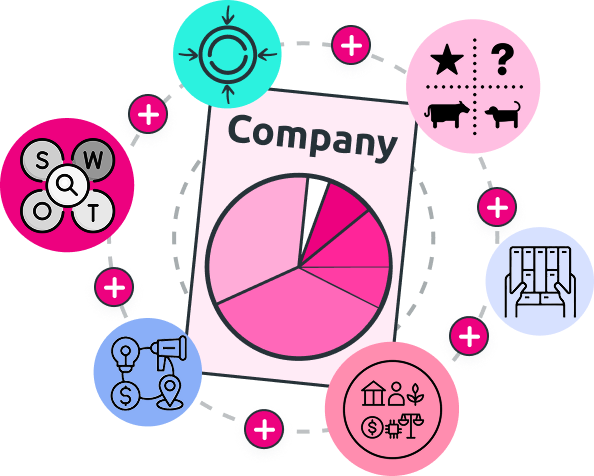

Visual. Strategic. Downloadable.
The Yokohama BCG Matrix gives a clear snapshot of which tire lines are driving growth, which cash flows are steady, and where resources may be leaking—quickly showing Stars, Cash Cows, Dogs, and Question Marks. This preview teases the insights; the full BCG Matrix delivers quadrant-by-quadrant placements, data-backed recommendations, and a strategic roadmap tailored to Yokohama’s market dynamics. Purchase the complete report for editable Word and Excel files you can use to prioritize investment and act fast.
Stars

Off‑Highway tires (TWS) leadership
Off‑Highway tires are a Star for Yokohama, driven by high‑growth ag and industrial segments and stronger positions after integrating Trelleborg Wheel Systems in 2024; demand is underpinned by rising food production, construction activity and expansion in emerging markets. Keep fueling channel coverage and OEM fitments, because today’s share gains convert to tomorrow’s Cash Cow. They consume cash but set industry pace.
UHP/Performance passenger (ADVAN) in APAC
UHP/Performance passenger (ADVAN) in APAC is outpacing the mass market—APAC performance tyre volumes rose notably in 2024 while Yokohama leverages motorsport halo to drive retail pull and premium pricing. Motorsport success sustains pricing power and OE wins; prioritize brand and OE deals to lock leadership while the category is still expanding. Hold share now and the segment will mature into a high-margin cash generator.

4x4/SUV all‑terrain lines
SUV penetration reached about 45% of global light‑vehicle sales in 2024, and off‑road/all‑terrain demand remains lively across key markets. Yokohama’s all‑terrain patterns test well and consistently move units through specialty dealers, supporting higher attach rates. Invest in promotion and retail placement—visibility wins this aisle. Keep the throttle open; payback emerges as growth normalizes.

Truck & bus radial (select APAC corridors)
Freight growth and rapid urbanization across APAC keep truck & bus radial (TBR) volumes elevated, and Yokohama retains solid share in corridors where fleets prioritize durability; 2024 industry reports indicate APAC TBR demand up ~3–4% YoY. Telematics-ready, fuel-efficient SKUs support price defense, while fleet programs and expanded service networks require ongoing investment—stars burn cash but build durable leadership as lanes mature.
- APAC TBR demand +3–4% YoY (2024)
- Durability = retention in core lanes
- Telematics & fuel-efficiency defend pricing
- Fleet programs & service network = continued capex
Motorsport programs as brand engine
Motorsport race wins drive measurable uplift in ADVAN performance sales and keep R&D momentum; maintaining signature series in sticky audiences preserves the halo that justifies motorsport spend and sustains elevated growth in 2024.
- Race wins → shelf movement
- Costly but powers tech flywheel
- Keep signature series
- Halo validates budget, growth high in 2024
Off-Highway, UHP & TBR fuel 2024 growth; focus OE, retail, fleets, motorsport halo
Yokohama Stars: Off‑Highway (post‑Trelleborg) and ADVAN UHP lead growth in 2024, SUV/all‑terrain and TBR also expanding; these segments consume cash but lock premium share and future margins. Prioritize OE fitments, retail presence, fleet programs and motorsport halo to convert share into Cash Cows as growth normalizes.
| Segment | 2024 metric | Strategy |
|---|---|---|
| Off‑Highway | High growth (post‑Trelleborg) | OEMs/channel |
| ADVAN UHP | APAC demand up 2024 | Brand/OE |
| TBR | APAC +3–4% YoY | Fleets/service |
What is included in the product
 Detailed Word Document
Concise BCG Matrix review of Yokohama's units, noting Stars, Cash Cows, Question Marks, Dogs and recommended moves.

 Customizable Excel Spreadsheet
One-page Yokohama BCG Matrix clarifying portfolio focus and cutting review time for faster strategic decisions.
Cash Cows

Japan replacement passenger tires
Japan replacement passenger tires are a mature, low-growth market serving a vehicle parc within a population of about 125 million, where Yokohama holds a top-3 domestic position with stable share and strong brand equity. Reliable margins stem from loyal dealer networks and predictable refresh cycles, supporting EBIT stability. Focus on optimizing product mix and manufacturing efficiency rather than chasing share; milk cash flows to fund strategic growth bets.
Light truck/van tires in mature markets
Light truck/van tires in mature markets are workhorse segments with predictable demand and repeat fleet buys, driving steady throughput and low marketing spend. Incremental SKU rationalization can lift margins by streamlining production and inventories. Solid cash generator and low drama for Yokohama, which reported consolidated revenue of roughly 517 billion JPY in fiscal 2023.

Industrial hoses (core lines)
Industrial hoses (core lines) are classic cash cows for Yokohama: standardized specs and sticky OEM relationships produce recurring orders and contract tenors commonly over five years, supporting consistent margins and uptime-focused KPIs. The global industrial hose market was about USD 7.1 billion in 2024 with steady mid-single-digit CAGR, so growth is muted but predictable. Prioritize capex for process improvements and OEE to protect dependable free cash flow that can fund growth units, not brand splash spending.

Anti‑vibration rubber for auto OEMs
Platform awards lock volumes across 5–7 year model cycles; engineering partnerships with OEMs protect pricing better than promotions and sustain mid‑teens component margins. Efficiency and quality—scrap targets <1% and on‑time delivery >98%—drive margin and cash generation. Quiet, consistent cash from repeat platform business.
- Platform awards: multi‑year scale
- Pricing: engineering > promotions
- Margins: mid‑teens
- Quality: scrap <1%, OTIF >98%
Conveyor belts (legacy applications)
Installed-base replacement kept Yokohama's conveyor belts humming in 2024, with demand driven by maintenance and OEM spares rather than new-build projects; category growth remained low-single-digit in 2024 while Yokohama retained a respectable market share in key regions. The product strategy emphasizes reliability, shortened lead times and field service; cost efficiency should be squeezed and excess cash banked to fund growth areas.
- Role: Cash cow — steady cash from replacements in 2024
- Growth: low-single-digit category growth 2024
- Priorities: reliability, lead times, service
- Action: cut costs, capture margins, allocate proceeds to growth
Japan replacement tires - FY2023 rev 517bn JPY; 125M pop, hoses $7.1bn
Japan replacement tires: mature market (~125M pop), Yokohama top‑3, stable share; FY2023 revenue ~517bn JPY. Light truck/van and industrial hoses are steady cash cows (industrial hose market ~USD 7.1bn in 2024) with mid‑teens margins, scrap <1% and OTIF >98%; prioritize OEE and capex for efficiency, bank cash for growth bets.
| Segment | 2024/23 data |
|---|---|
| Japan replacement | Pop 125M; Yokohama top‑3; FY2023 rev 517bn JPY |
| Industrial hoses | Market ~USD 7.1bn (2024); mid‑single‑digit CAGR |
Delivered as Shown
Yokohama BCG Matrix
The file you're previewing here is the exact Yokohama BCG Matrix report you'll receive after purchase. No watermarks, no demo elements—just a fully formatted, strategy-ready document built for clarity and action. Once purchased it’s immediately downloadable and editable, ready to slot into presentations or planning sessions. Designed by strategy experts, it arrives polished and practical—no surprises, no extra work.

Dogs

Golf products (PRGR and accessories)
Golf products (PRGR and accessories) sit in a niche, crowded, fashion‑driven segment with limited scalability and thin margins; the global golf equipment market was about $7.1 billion in 2024 and growth hovered near low single digits, so market share gains are unimpressive. Inventory risk is real—high SKU breadth ties up cash as sell‑throughs slow. Recommend pruning low‑turn SKUs or licensing the brand to cut working capital and focus core resources.
Legacy bias‑ply and aging SKUs
Legacy bias-ply and aging SKUs face structurally low demand and limited pricing power in a global tire market ~270 billion USD in 2024, while high manufacturing complexity raises unit costs. Inventory risk erodes remaining pennies as aging SKUs tie up working capital and elevate carrying costs. Turnaround spend rarely pays back given thin margins and slow volume recovery. Sunset methodically to free capacity and redeploy capex.

Sealants/commoditized chem lines (non‑core)
Sealants and commoditized chemical lines are price‑driven, dominated by regional private labels and account for an estimated global sealants market of about USD 13.2 billion (2023) with ~4.6% CAGR to 2030, yet Yokohama holds low share outside home markets and shows minimal product differentiation. Cash remains idle in slow movers, tying up working capital and depressing margins. Trim the tail or divest non‑core SKUs to redeploy capital into higher‑return segments.

Aircraft components (narrow niches)
Certification barriers (often 1–3 years and high compliance costs) favor incumbents, but category access does not translate to scale for narrow aircraft components. Volumes swing with airline cycles and platform exposure is limited, concentrating demand on a few OEMs. Winning meaningful share requires heavy, long‑dated investment in tooling and approvals. Better to minimize exposure and focus on higher-return segments.
- Incumbent protection
- Low scale despite access
- Cyclical volume risk
- High CAPEX and long payback
- Prefer minimize & focus
Budget passenger tires in saturated channels
Budget passenger tires face a race to the bottom on price versus numerous imports, with marketing spend in 2024 failing to convert to durable share and promotional cycles compressing margins. Cash is trapped in repeated discounts and inventory; segment-level margins often run near break-even. Exit low-return geographies and unprofitable sizes to stem cash bleed.
- Imports >50% share in many saturated replacement channels
- Promotional depth erodes margins
- High working capital from promotions
- Prioritize exits on loss-making SKUs/geographies
Prune low-share SKUs, sunset legacy lines and divest noncore assets to free cash
Dogs: niche golf gear (global market $7.1B in 2024), legacy bias‑ply tires in a ~$270B tire market (2024), commoditized sealants (USD 13.2B in 2023) and low‑volume aircraft parts show low share, thin margins and high working capital; recommend pruning SKUs, sunsetting legacy lines, and divesting noncore assets to free cash.
| Segment | Market Size | YOK Share | Action |
|---|---|---|---|
| Golf gear | $7.1B (2024) | Low | Prune/license |
| Legacy tires | $270B (2024) | Negligible | Sunset |
| Sealants | $13.2B (2023) | Low | Divest/trim |
Question Marks

EV‑specific passenger tires (global)
EV-specific passenger tires sit in Question Marks: global EV sales reached about 14 million units in 2024, driving high category growth but Yokohama’s share outside Japan remains nascent. Winning OE slots by meeting lower noise/rolling resistance targets and higher load ratings is critical to seed the lucrative replacement market. This requires heavy R&D and coordinated co-development with automakers and suppliers. Scale quickly or risk sliding toward Dog territory.
Smart/connected tire solutions for fleets
Fleet telematics is booming — 2024 reports show telematics deployments expanding strongly and OEMs estimating double-digit annual growth; tire data remains the missing puzzle piece for predictive maintenance and fuel savings. Yokohama already holds core sensor and analytics building blocks but penetration in fleet programs is low versus competitors. Targeted investment in sensors, analytics, and bundled services will drive uptake; if adoption accelerates it can graduate from Question Mark to Star.

Thermal management hoses for NEV platforms
Thermal management hoses for NEV platforms sit in Question Marks: global EVs reached about 14% of new car sales in 2023 (IEA), so growth is real but share for new suppliers remains low. Specification wins now lock multi-year volumes—OEM platform cycles and supplier contracts typically span 3–7 years, with Tier‑1 qualification taking 12–24 months. Target Tier‑1 partnerships and rapid qualification to convert growth into share; with focused execution this product line could be a sleeper hit.

North America TBR share expansion
North America TBR share expansion targets healthy logistics and infrastructure spend, but incumbents dominate regional fleets; growth levers are fleet deals, retread ecosystems and fuel‑save compounds requiring network investment and field support. Win priority corridors with pilot fleet programs, prove TCO reduction, then scale across lanes.
- Focus: fleet deals, retread, fuel‑save compounds
- Requirements: network capex, local field teams
- Go‑to‑market: win corridors → replicate
Sustainable materials (bio‑based, recycled content)
Regulatory tailwinds (EU Green Deal, Japan 2050 carbon-neutral commitments) and 2024 market momentum—global bio‑based materials market ~USD 11bn in 2024—drive demand for bio‑based/recycled content, but commercialization remains early and capital intensive.
Pilot lines consume cash before margins appear; partner across the supply chain, secure fast third‑party certification, and scale only as unit costs fall—then sustainable materials become a brand and margin lever.
- Regulation: EU Green Deal & Japan 2050 targets
- Market size 2024: bio‑based materials ≈ USD 11bn
- Risk: pilots burn cash, early commercialization
- Action: supply‑chain partnerships + rapid certification
- Upside: cost reductions → brand + margin leverage
Prioritize OE wins, Tier-1 partnerships and sensors to scale EV, telematics and bio-materials
Question Marks: EV tires, telematics, NEV hoses, NA TBR expansion and bio‑materials show high 2024 market growth but low Yokohama share; prioritize OE wins, Tier‑1 partnerships, sensors/analytics, corridor fleet pilots and supply‑chain partners to scale before cash burn deepens.
| Segment | 2024 metric | Yokohama share | Priority action |
|---|---|---|---|
| EV tires | Global EVs ~14M | Nascent | OE co‑dev |
| Telematics | Double‑digit growth | Low | Sensors + services |
| Bio‑materials | Market ≈USD11bn | Early | Partners + cert |